
Academic staff
If you aren’t sure who to contact then get in touch using our general contact details.
Contact the Department of Materials Science and Engineering
On this page:
Head of Department
Academic staff

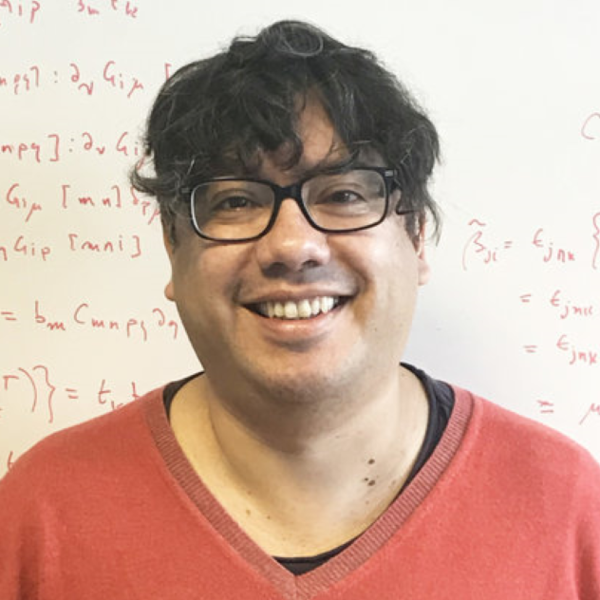

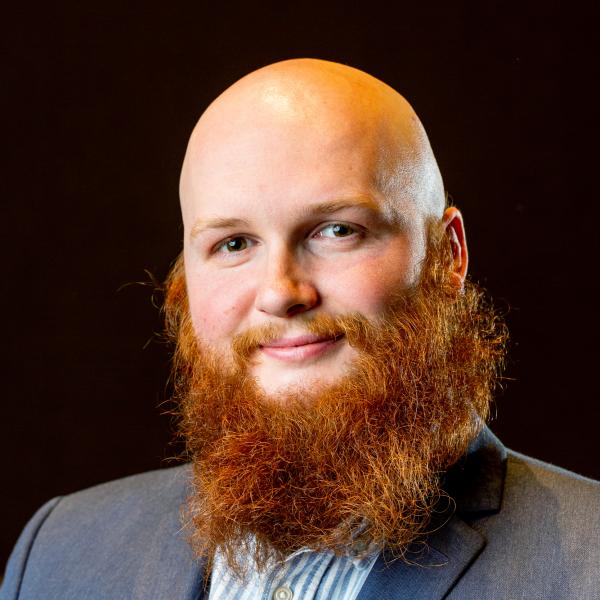




Dr Kathy Christofidou
Senior Lecturer in Metallurgy & Royce Technology Platform Lead (Materials Discovery & Prototyping)Department of Materials Science and Engineering
Alloy design, physical metallurgy and manufacturing of high temperature structural alloys.
- Email address
-
k.christofidou@sheffield.ac.uk

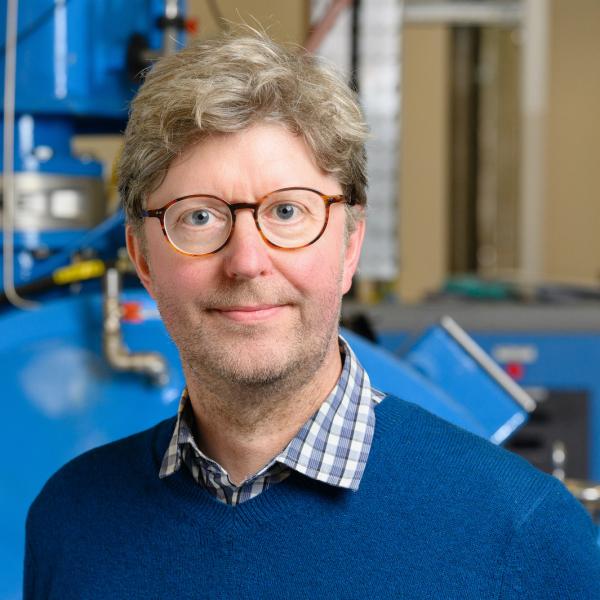
Professor Frederik Claeyssens
Professor of BiomaterialsDepartment of Materials Science and Engineering
- Email address
-
f.claeyssens@sheffield.ac.uk
- Telephone
- +44 114 222 5513


Professor Dan Cogswell
UKRI Future Leaders FellowDepartment of Materials Science and Engineering
Assuring accurate estimation of mechanical properties for safety assessments, especially fracture, and optimising manufacturing routes to improve safety margins and life of high integrity components.
- Email address
-
D.Cogswell@sheffield.ac.uk
- Email address
-
j.dean@sheffield.ac.uk
- Telephone
- +44 114 222 5473

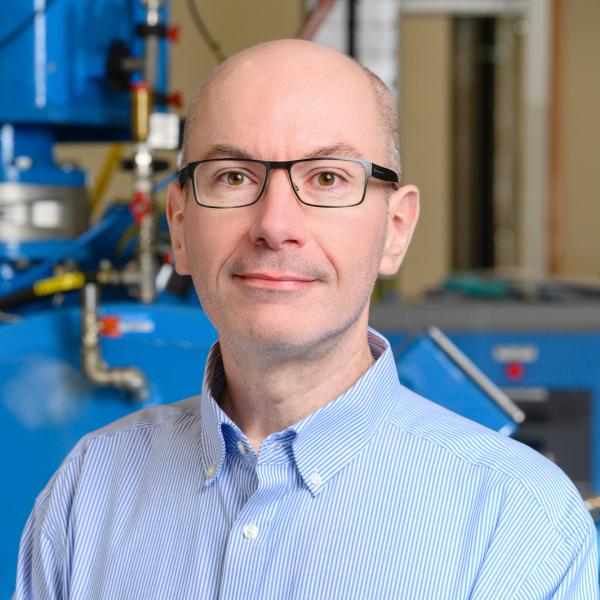
Dr Joel Foreman
University TeacherDepartment of Materials Science and Engineering
Thermosetting polymers and polymer composites
- Email address
-
j.foreman@sheffield.ac.uk
- Telephone
- +44 114 222 5920


Dr Colin L Freeman
Senior Lecturer in Materials SimulationDepartment of Materials Science and Engineering
- Email address
-
c.l.freeman@sheffield.ac.uk
- Telephone
- +44 114 222 5965



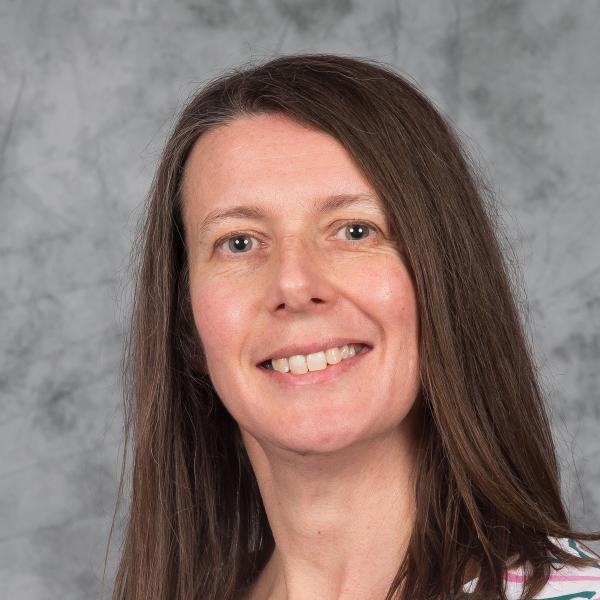
Dr Nicola Green
Senior Lecturer in BioengineeringBiomedical engineering
Soft tissue engineering for both clinical use and as novel 3D in vitro models for improved laboratory studies. Also the use and development of non-invasive imaging techniques within tissue engineering
- Email address
-
n.h.green@sheffield.ac.uk
- Telephone
- +44 114 222 3932



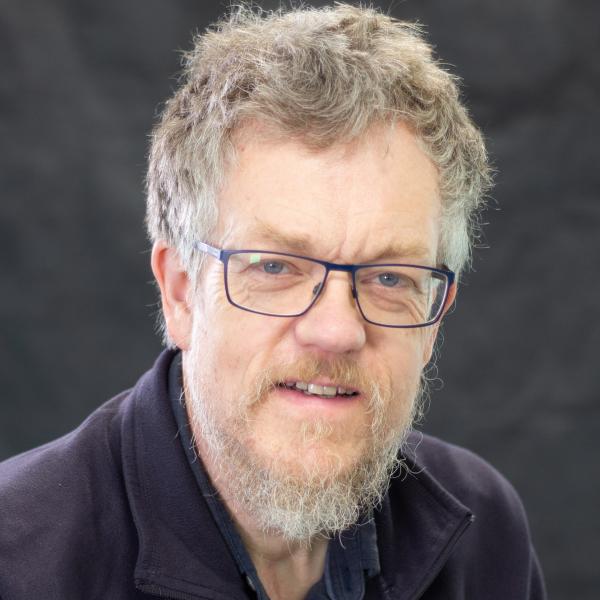
Professor Russell J Hand
Director of Learning & TeachingDepartment of Materials Science and Engineering
- Email address
-
r.hand@sheffield.ac.uk
- Telephone
- +44 114 222 5465
Professor John Harding
Professor of Materials SimulationDepartment of Materials Science and Engineering
- Email address
-
j.harding@sheffield.ac.uk
- Telephone
- +44 114 222 5957

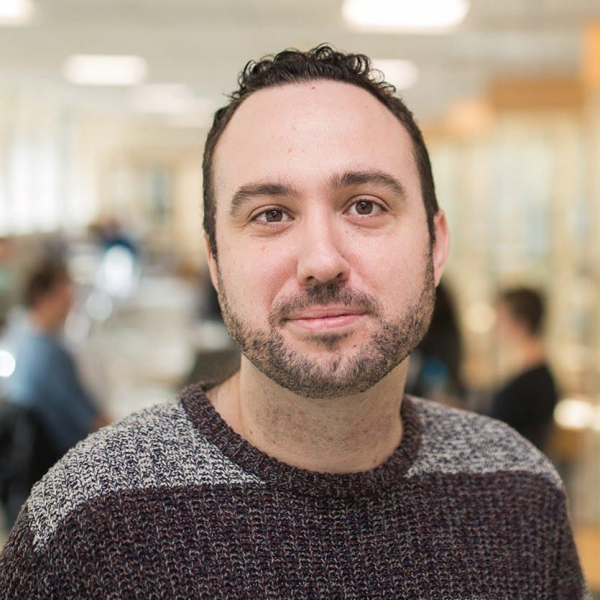
- Email address
-
t.hayward@sheffield.ac.uk
- Telephone
- +44 114 222 5499

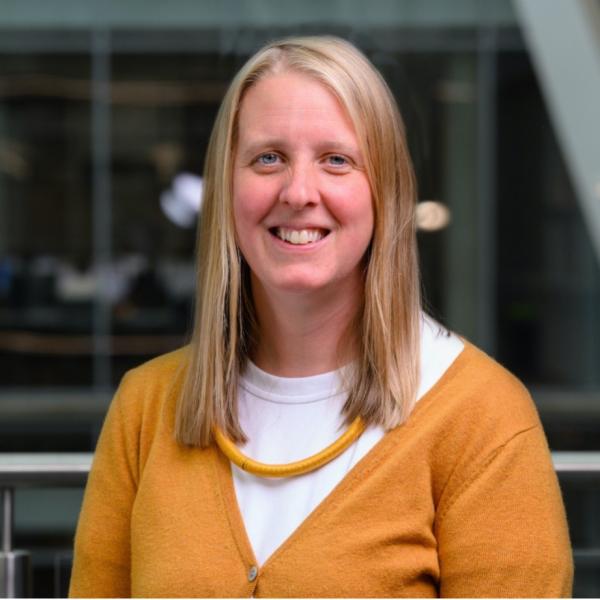

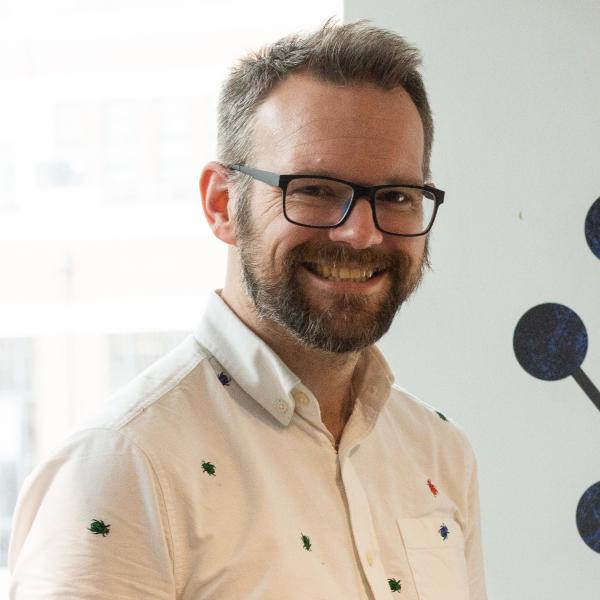
Dr Chris Holland
Senior Lecturer in Natural MaterialsDepartment of Materials Science and Engineering
Using tools developed for the physical sciences to better understand nature’s materials, from latex to collagen but with a focus on silk.
- Email address
-
christopher.holland@sheffield.ac.uk
- Telephone
- +44 114 222 5477

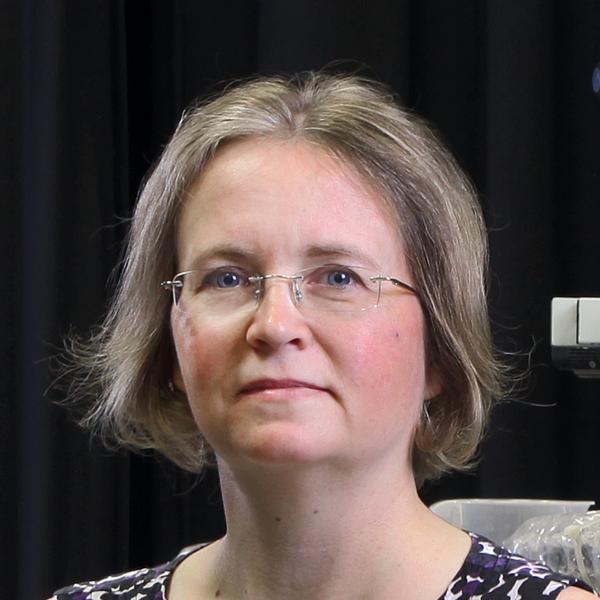
Professor Beverley J Inkson
Professor of Nanostructured MaterialsDepartment of Materials Science and Engineering
- Email address
-
beverley.inkson@sheffield.ac.uk
- Telephone
- +44 114 222 5925

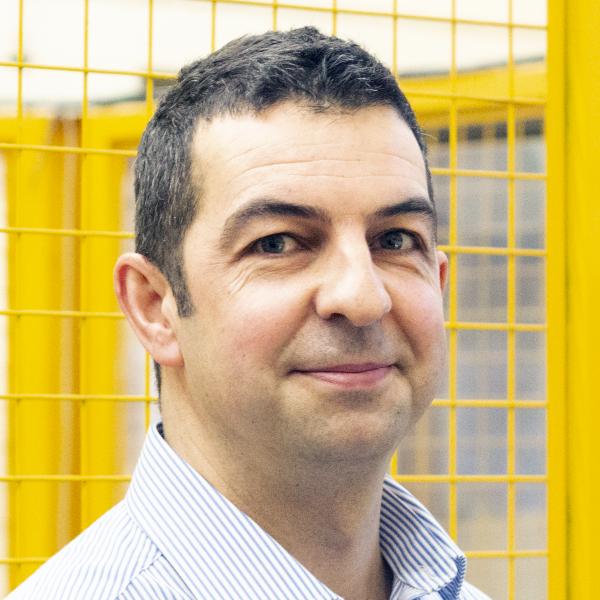


Dr Hajime Kinoshita
Senior Lecturer in Materials ChemistryDepartment of Materials Science and Engineering
Development and application of industrial by-products and natural minerals for waste management, from nuclear industry to exhaust flue gas for CO2 capture
- Email address
-
h.kinoshita@sheffield.ac.uk
- Telephone
- +44 114 222 5930

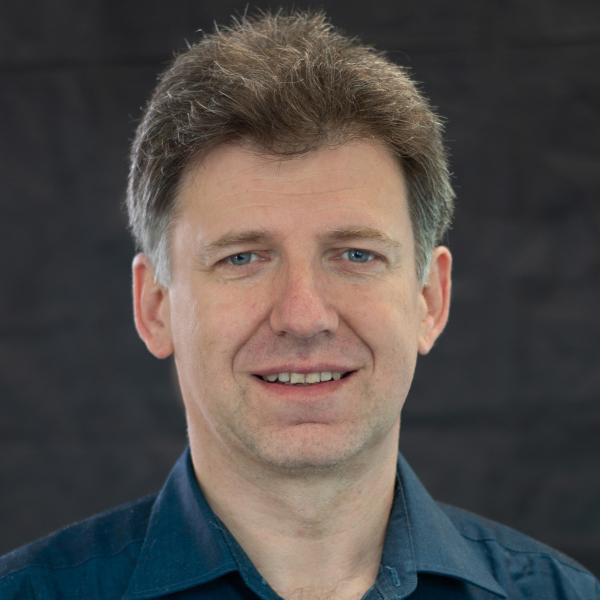
Dr Günter Möbus
Director, MSc course Nanomaterials for NanoengineeringDepartment of Materials Science and Engineering
- Email address
-
g.moebus@sheffield.ac.uk
- Telephone
- +44 114 222 5512


Professor Nicola Morley
Head of DepartmentDepartment of Materials Science and Engineering
Research into functional magnetic materials and devices.
- Email address
-
n.a.morley@sheffield.ac.uk
- Telephone
- +44 114 222 5935



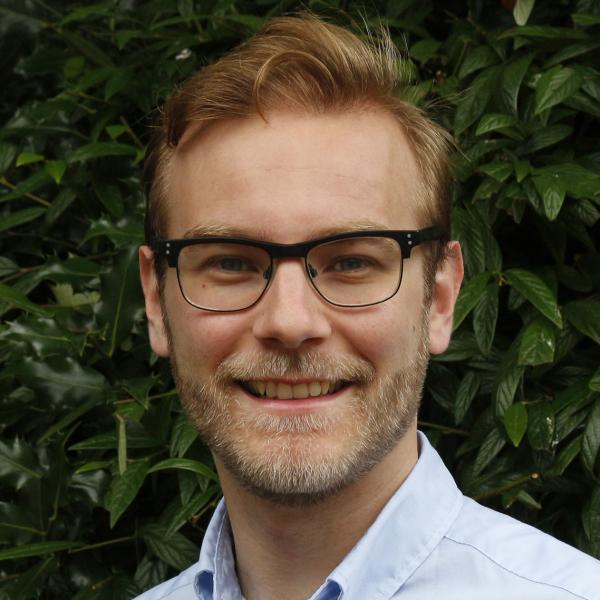
Dr Lewis Owen
Lecturer in MetallurgyDepartment of Materials Science and Engineering
Research focuses on metallurgy characterisation; X-ray and Neutron scattering, local atomic structure, technique development, structure-property relationships, and novel materials.
- Email address
-
lewis.owen@sheffield.ac.uk

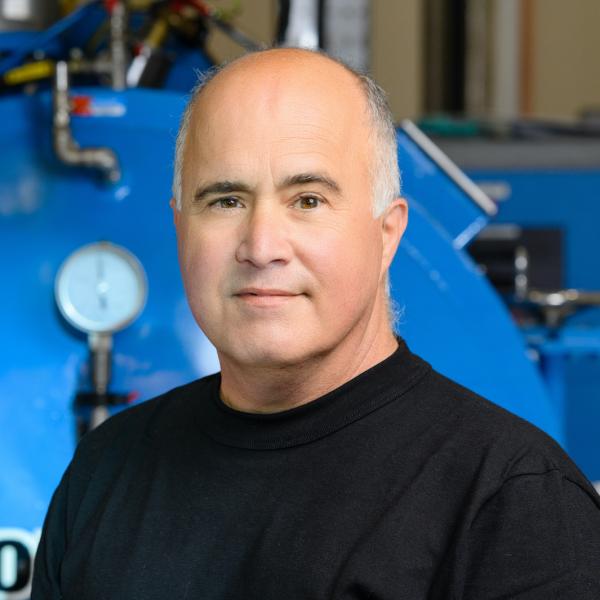
Professor Eric J Palmiere
Professor of Metallurgy and Thermomechanical ProcessingDepartment of Materials Science and Engineering
- Email address
-
e.j.palmiere@sheffield.ac.uk
- Telephone
- +44 114 222 5978



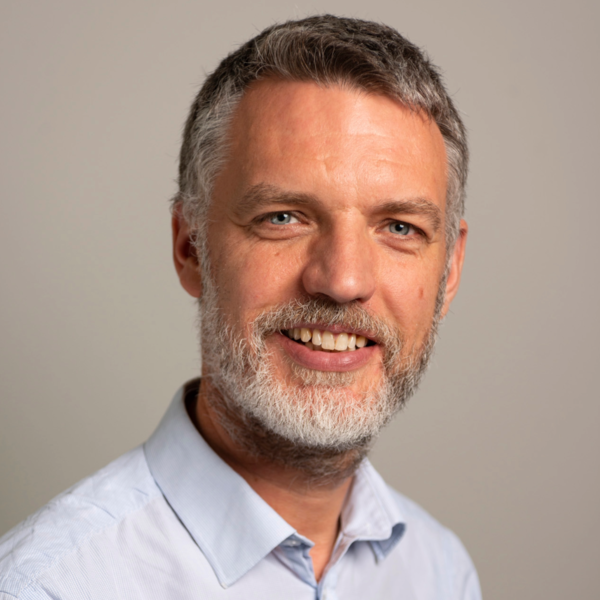

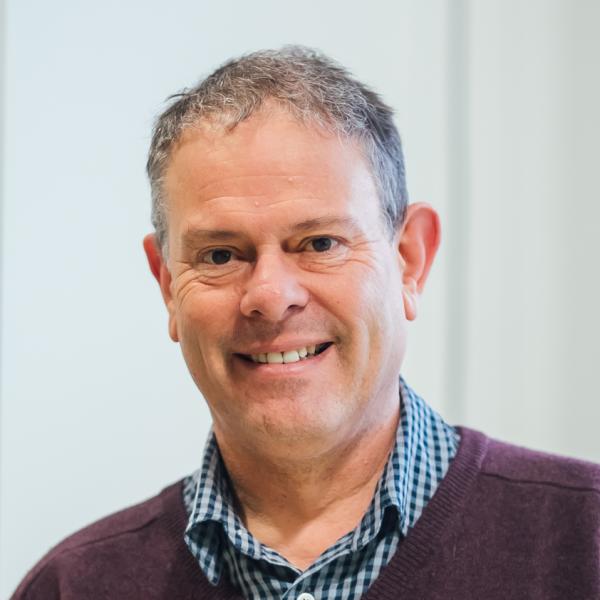
Professor W Mark Rainforth
Professor of Materials Science and EngineeringDepartment of Materials Science and Engineering
- Email address
-
m.rainforth@sheffield.ac.uk
- Telephone
- +44 114 222 5469


Dr Nik Reeves-McLaren
Senior Lecturer in Energy MaterialsDepartment of Materials Science and Engineering
- Email address
-
n.reeves@sheffield.ac.uk
- Telephone
- +44 114 222 6013


Professor Gwendolen Reilly
Professor of Musculoskeletal BioengineeringDepartment of Materials Science and Engineering
- Email address
-
g.reilly@sheffield.ac.uk
- Telephone
- +44 114 222 5986

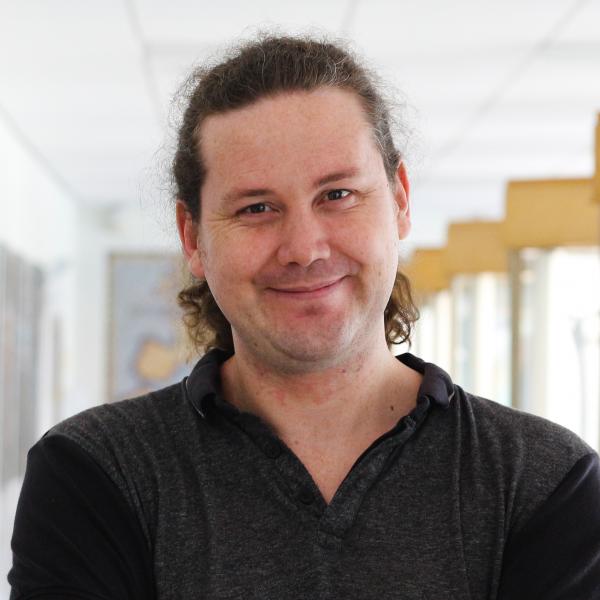


Professor Cornelia Rodenburg (née Schönjahn)
Chair in Nanostructured Materials TechnologyDepartment of Materials Science and Engineering
Characterisation and modification of nanostructured materials including the development and application of novel characterisation techniques manufacturing method for advanced energy and biomaterials.
- Email address
-
c.rodenburg@sheffield.ac.uk
- Telephone
- +44 114 222 5921




Professor Derek Sinclair
Professor in Materials ChemistryDepartment of Materials Science and Engineering
- Email address
-
d.c.sinclair@sheffield.ac.uk
- Telephone
- +44 114 222 5974

- Email address
-
r.thackray@sheffield.ac.uk
- Telephone
- +44 114 222 5963



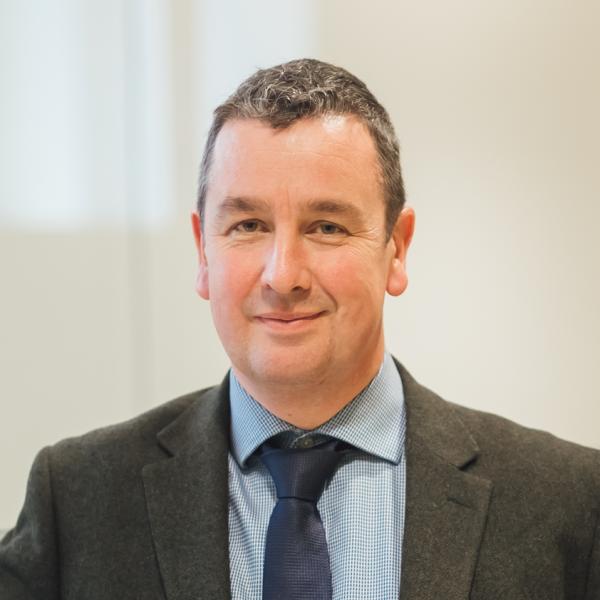
- Email address
-
iain.todd@sheffield.ac.uk
- Telephone
- +44 114 222 6011


Dr Karl P Travis
Reader in Computational Physics and Nuclear Waste DisposalDepartment of Materials Science and Engineering
- Email address
-
k.travis@sheffield.ac.uk
- Telephone
- +44 114 222 5483




- Email address
-
c.utton@sheffield.ac.uk
- Telephone
- +44 114 215 7099


Professor Anthony R West
Professor of Electroceramics and Solid State ChemistryDepartment of Materials Science and Engineering
- Email address
-
a.r.west@sheffield.ac.uk
- Telephone
- +44 114 222 5501

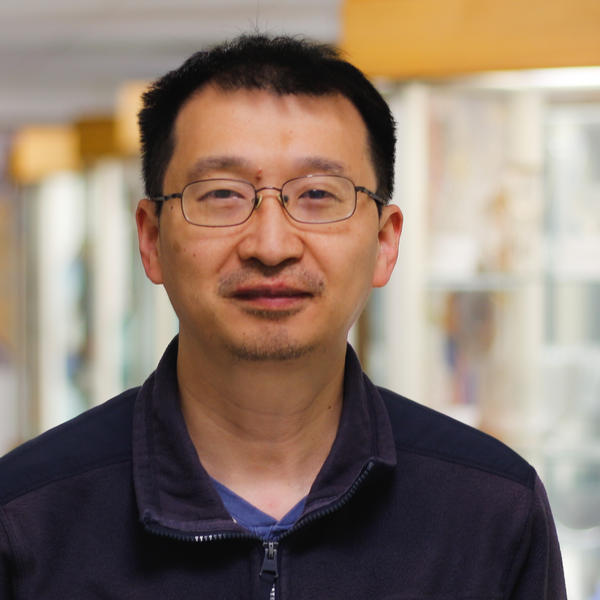
Associate academic staff

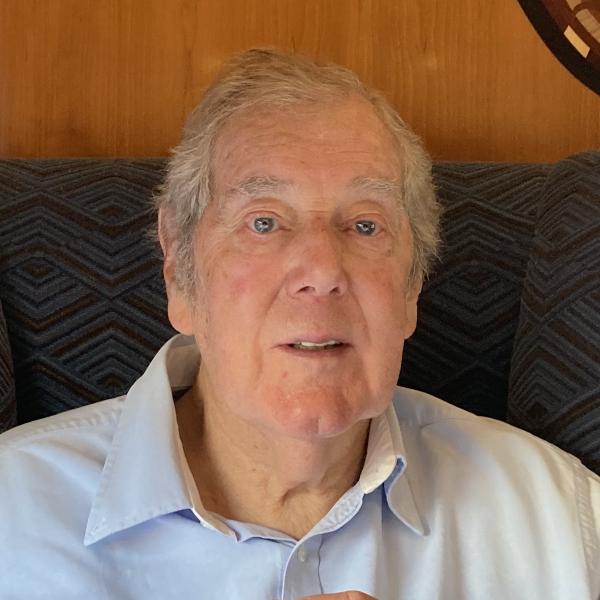
Professor Fergus G F Gibb
Emeritus Professor of Petrology & GeochemistryDepartment of Materials Science and Engineering
- Email address
-
f.gibb@sheffield.ac.uk
- Telephone
- +44 114 222 3630

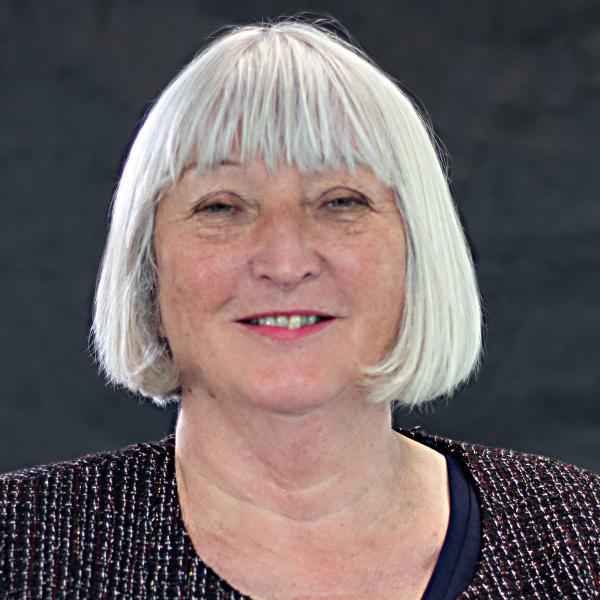
Professor Sheila MacNeil
Emeritus ProfessorDepartment of Materials Science and Engineering
Emeritus Professor of Tissue Engineering with expertise in tissue engineering of soft tissues (skin, oral mucosa, urethra and cornea) with a focus on translating research to the clinic.
- Email address
-
s.macneil@sheffield.ac.uk
- Telephone
- +44 114 222 5995


Professor John M Parker
Emeritus Professor of Glass Science and EngineeringDepartment of Materials Science and Engineering
- Email address
-
j.m.parker@sheffield.ac.uk
- Telephone
- +44 114 222 5514
Professor John H Sharp
Emeritus Professor of CeramicsDepartment of Materials Science and Engineering
- Email address
-
j.h.sharp@sheffield.ac.uk
- Telephone
- +44 114 222 5504

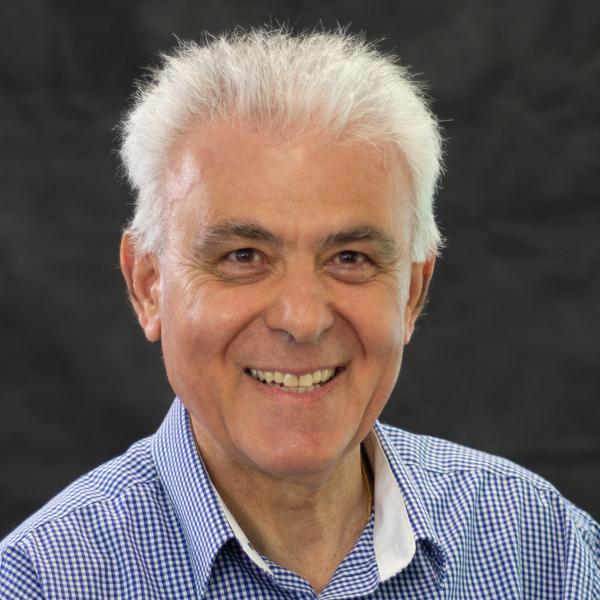
Professor Panos Tsakiropoulos
Emeritus Professor of MetallurgyDepartment of Materials Science and Engineering
- Email address
-
p.tsakiropoulos@sheffield.ac.uk
- Telephone
- +44 114 222 5960
- Email address
-
a.leyland@sheffield.ac.uk
- Telephone
- +44 114 222 5486
Visiting staff







- Email address
-
j.provis@sheffield.ac.uk
- Telephone
- +44 114 222 5490

- Email address
-
e.j.cussen@sheffield.ac.uk
- Telephone
- +44 114 222 5481